Somali SAP

Sustainable Agroforestry & Climate Resilience in Somalia

Somali SAP is a large-scale, Somali-led agroforestry initiative restoring degraded land while creating sustainable livelihoods for rural communities. The programme combines land restoration with sustainable resin and gum production, helping farmers improve soil health, cultivate trees, and build more diversified sources of income.

Through practical agroforestry training and climate-focused approaches, Somali SAP supports long-term environmental and economic resilience. By linking restoration with livelihood development, it offers a scalable, locally driven response to land degradation across Somalia.
What Somali SAP is

Somali SAP is a large-scale, Somali-led initiative restoring degraded land while creating sustainable, community-owned livelihoods.

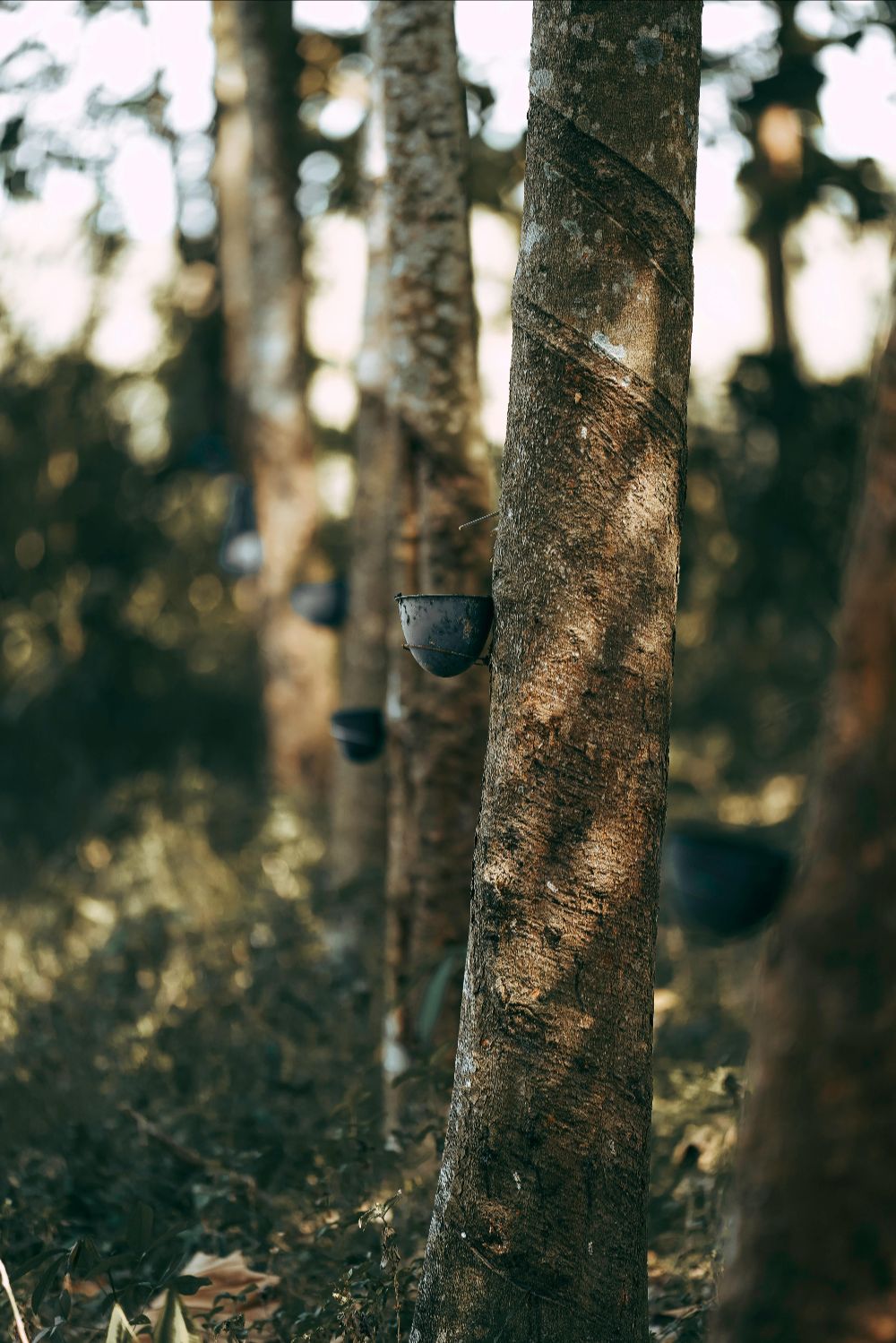
It focuses on agroforestry systems built around native, drought-resilient resin and gum-producing trees, including frankincense, myrrh, and gum arabic—leveraging existing local knowledge and ecosystems.

By improving production, strengthening market access, and integrating climate-aligned approaches, the programme transforms an underdeveloped sector into a structured, high-value industry.

Starting with a 1,000-hectare pilot and scaling to 10,000 hectares, Somali SAP aims to position Somalia as a leader in sustainable resin production and climate-aligned agroforestry.

The initiative is supported by regional government institutions and aligned with international standards.

climate problem somali roots

Why Somali SAP is needed

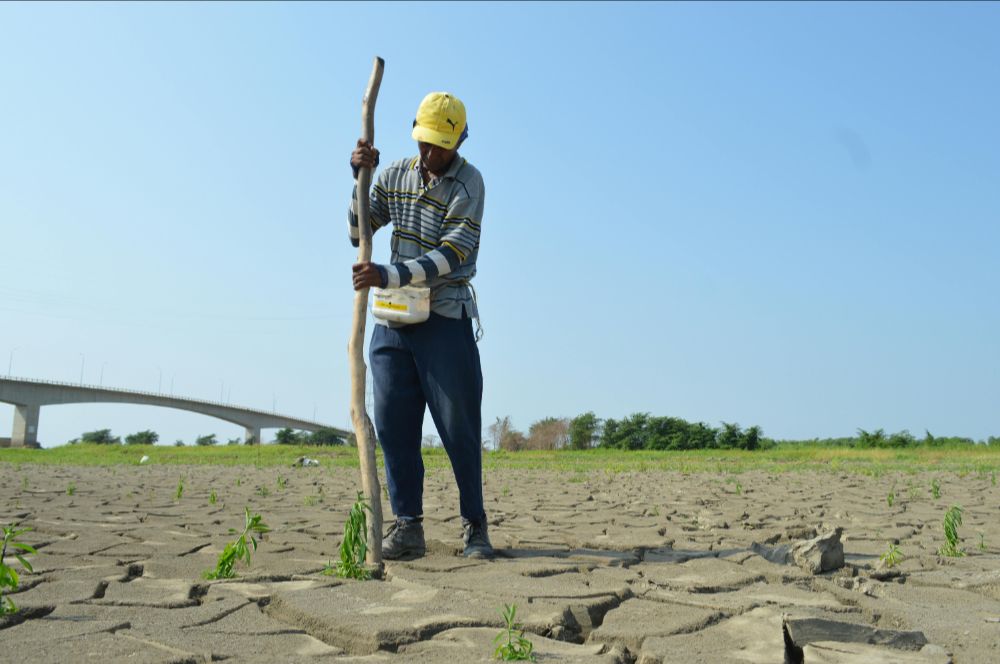
Somalia’s landscapes are under increasing pressure from land degradation, desertification and climate change.

Decades of overgrazing, unsustainable land use and limited environmental governance have reduced vegetation cover, degraded soil systems and weakened rural economies. As land productivity declines, communities are pushed toward short-term coping strategies that further accelerate ecosystem degradation.

At the same time, Somalia is home to some of the world’s most valuable resin- and gum-producing trees. Frankincense, myrrh and gum arabic are in strong global demand, yet fragmented markets, weak resource management and unsustainable harvesting practices threaten the long-term sustainability of the sector.

Without intervention, land degradation will continue to accelerate, rural incomes will remain unstable, and Somalia will miss a significant opportunity to link climate action with long-term economic development.

Somali SAP in action

Somali SAP provides a scalable, community-led model that restores land while generating long-term environmental and economic value.

The programme is built around three integrated pillars:

Land restoration and climate resilience

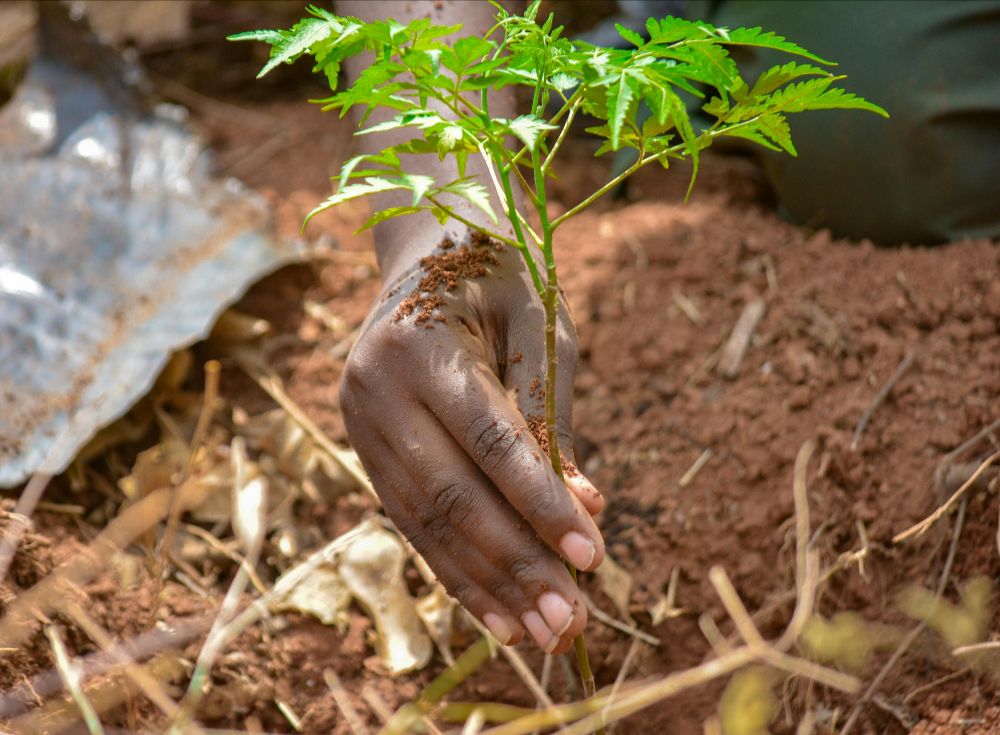
Degraded land is restored through assisted natural regeneration, managed planting systems and agroforestry approaches that improve soil health, enhance biodiversity and strengthen resilience to drought and climate shocks.

Sustainable resin-gum agroforestry

High-value, climate-adapted tree species are managed for long-term productivity, enabling sustainable harvesting of frankincense, myrrh and gum arabic while protecting and regenerating natural ecosystems.

Carbon finance and long-term sustainability

Somali SAP is designed in alignment with internationally recognised carbon standards, enabling the generation of verified carbon credits and positioning the project as one of the first scalable carbon credit programmes of its kind in Somalia.

The programme is delivered in phases. A 1,000-hectare pilot validates carbon sequestration potential, commercial viability and community benefit models before scaling to 10,000 hectares.

Communities are central to the approach. Somali Roots works with pastoralists, farmers and resin harvesters to secure land access, establish benefit-sharing agreements and provide training in sustainable land and tree management, with a strong focus on youth, women and vulnerable groups including internally displaced communities.

What your support achieves

Somali SAP delivers measurable environmental and economic impact at scale.

At full implementation, the programme is expected to achieve:

Land restoration

Rehabilitating approximately 10,000 hectares of degraded land

Carbon sequestration

Capturing around 1.5 million tonnes of CO₂ over 30 years

Sustainable livelihoods

Providing stable income opportunities for approximately 2,500 households

Ecosystem recovery

Improved soil fertility, biodiversity and climate resilience

Beyond these outcomes, Somali SAP strengthens Somalia’s resin-gum value chains, connects producers to premium international markets and builds long-term community capacity.

Impact is tracked through robust monitoring systems covering carbon sequestration, land restoration, biodiversity gains and social outcomes, ensuring transparency and accountability to partners, funders and investors.

Support Somali SAP

Fund Somali-led climate action and livelihoods

Fund early-stage development to launch a 1,000-hectare agroforestry programme, supporting land restoration and sustainable livelihoods.

Suggested donation levels

Supports community consultations and engagement

Contributes to land and ecological assessments

Supports carbon baseline and feasibility studies

Helps prepare the programme for long-term investment

Donate to Somali SAP: All donations are restricted to this programme and directly support Somali-led delivery.

Concept notes and resources

For donors, partners and institutions seeking more detail, the following documents are available:

Somali SAP

Full programme overview, approach and budget

Programme Summary

Key objectives, scale and impact