

Restoring Land, Restoring Livelihoods: Why Agroforestry Matters in Somalia
Share this article…

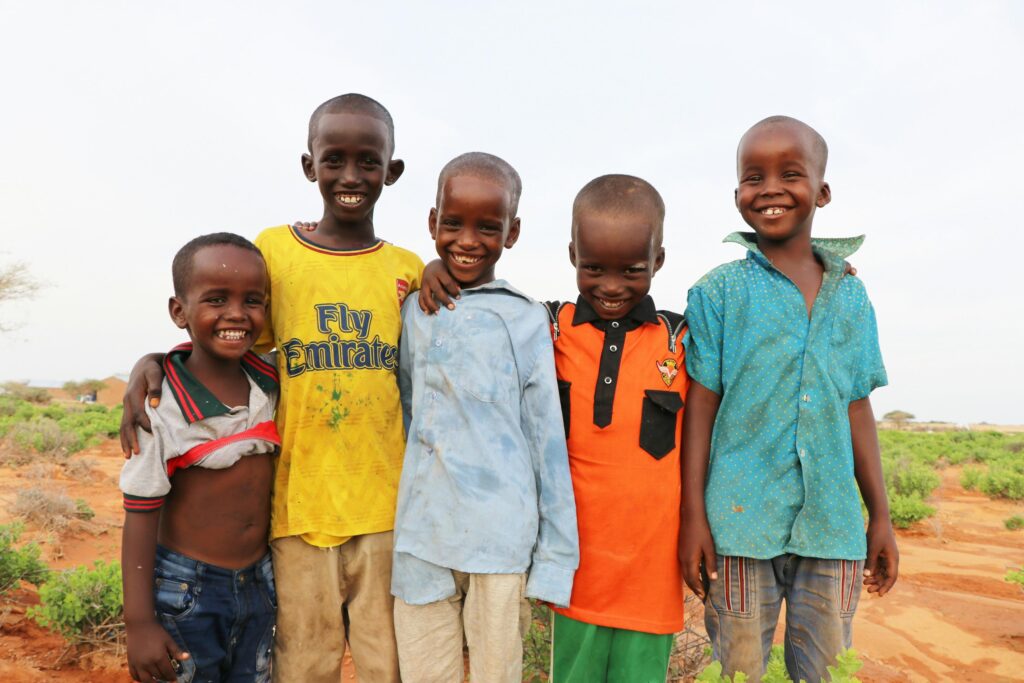
Across large parts of Somalia, land degradation is no longer a distant environmental concern — it is a daily reality shaping livelihoods, food security, and long-term stability.
Decades of deforestation, climate shocks, and unsustainable land use have left once-productive areas vulnerable to erosion and drought. For rural communities, this means reduced harvests, fewer income opportunities, and increased pressure to migrate in search of work.
At Somali Roots, we believe land restoration is not just an environmental intervention. It is a foundation for economic resilience, education, and national development.
Agroforestry as a Practical Climate Solution
Agroforestry — the integration of trees into farming systems — offers a proven, community-led approach to restoring degraded land while supporting livelihoods.
When trees are reintroduced into agricultural landscapes, they help improve soil structure, retain moisture, and protect crops from extreme heat. Over time, this creates more reliable growing conditions, even in areas facing increasingly unpredictable rainfall.
For farming households, the benefits extend beyond climate resilience. Trees provide fruit, fodder, firewood, and long-term income sources, reducing dependence on single seasonal harvests.
A Community-First Approach
Somali Roots’ agroforestry work is designed around local ownership. Communities are involved from the outset — from species selection to planting methods and land management decisions.
This approach ensures interventions reflect local knowledge and priorities, while building skills that remain long after individual projects are completed. By working alongside local leaders, farmers, and youth groups, Somali Roots supports solutions that are culturally relevant and economically sustainable.
Beyond Trees: Education and Opportunity
Land restoration alone is not enough. Sustainable impact requires investment in people.
Through training programmes linked to our agroforestry initiatives, Somali Roots supports young people with practical skills in land management, environmental stewardship, and climate adaptation. These skills open pathways to employment, entrepreneurship, and further education — helping communities thrive in a changing climate.
Looking Ahead
As climate pressures continue to intensify across the Horn of Africa, scalable and locally grounded solutions are essential.
Somali Roots is working to expand its agroforestry programmes through national partnerships, academic collaboration, and donor support — ensuring restoration efforts reach the communities that need them most.
By restoring land, we restore opportunity. And by investing in people, we build resilience that lasts.